Photovoice Adaptation


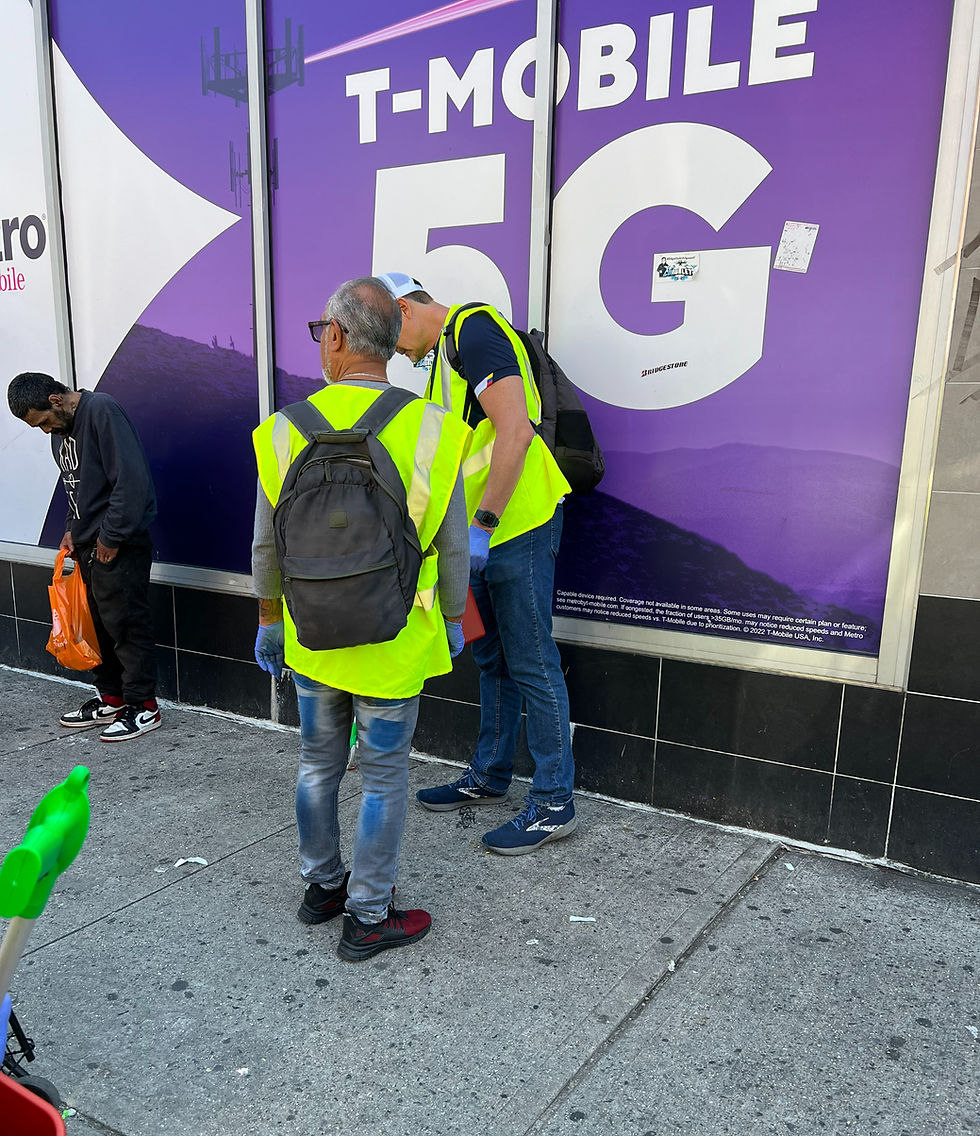
Participatory Visual Research with People Who Inject Drugs in New York City As part of a collaborative public health and ethnographic research project in New York City, I worked alongside researchers and community partners to explore the lived experiences of people who inject drugs through participatory visual methods. Conducted in partnership with harm reduction organizations in Harlem and Washington Heights, the project used PhotoVoice methodology, ethnographic observation, and an adapted ORA framework (Observe, Relate, Alternatives) to document how participants navigate addiction, stigma, housing insecurity, violence, social isolation, and community care.
Participants were invited to photograph aspects of their daily realities and collectively reflect on the meanings behind the images through facilitated group discussions. Unlike traditional research approaches that often speak about marginalized communities, PhotoVoice creates space for participants to represent their own experiences, perspectives, and forms of resilience. The ORA method was developed as a more flexible and accessible adaptation of conventional PhotoVoice models, helping participants connect personal experiences to broader structural inequalities while also imagining alternatives for social and policy change.
The project highlighted the importance of visual storytelling, community-based research, and harm reduction approaches in understanding the intersecting challenges faced by people who inject drugs, including stigma, poverty, displacement, and barriers to healthcare. Ethnographic fieldwork and participant narratives revealed not only experiences of vulnerability, but also moments of solidarity, mutual aid, creativity, and community formation within harm reduction spaces. The resulting photo exhibitions created opportunities for public dialogue around addiction, homelessness, and social inequality while centering the voices of participants themselves. This research deepened my interest in collaborative visual methodologies, community-engaged ethnography, and the use of storytelling and participant narrative to amplify marginalized perspectives in both academic and public spaces.


Comments